

Director
|
Maurizio Polemio |
||
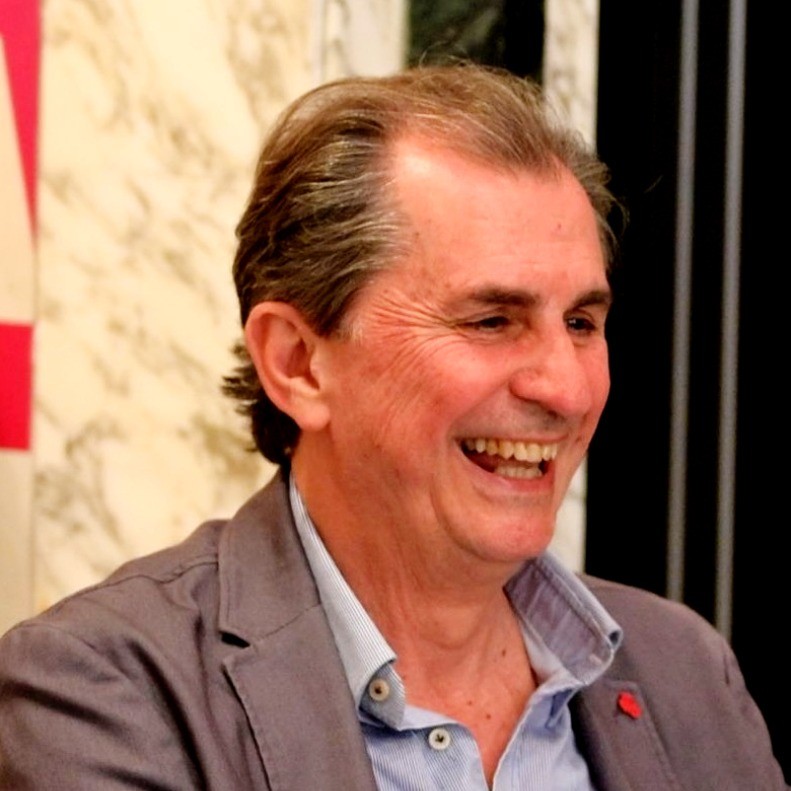 |
Born in 1963, he graduated with honours in Civil Engineering in 1987. He joined the Bari Department of the Research Institute for Hydrogeological Protection (IRPI-BA) of the National Research Council (CNR) in 1989. He is a CNR Senior Scientist, the Head of IRPI-BA, the Head of the Hydrology Laboratory and of the Hydrogeology Research Group of IRPI. He is the author of more than 250 articles (https://orcid.org/0000-0002-0343-5339 ). As regard the bibliometric indicators of Scopus (Id=6701625608) and WoS (Id=693081), the numbers are as follows (July 2025): 22 and 22 as H-index, 87 and 74 as total documents, 1551 and 1252 as total citations by 1205 and 977 papers. Scopus further details are: 230 co-authors; International collaborations (24.4%); first author 12%; last author 57%.
He has achieved (until 2024): – 59 invited lectures; – 26 times member of scientific committee of national and international conferences; – 41 activities as research project leader or unit project leader, from regional to international projects; – 25 evaluations of international research projects; – scientific experience abroad (visiting scientist/professor) in the UK, Albania and Argentina. He was the National Scientific Secretary of the International Hydrological Programme (IHP) of UNESCO from 2002 to 2017. He has been an associate professor at the University of Bari and the University of Calabria (17 courses in total) in Engineering Geology and Hydrogeology. He has obtained the National Scientific Qualification as Full Professor of Engineering Geology (since 2013). He has developed expertise in groundwater quality degradation and vulnerability; groundwater; quantity degradation due to overexploitation or climate change; hydrogeological characterisation and monitoring of aquifers; numerical modelling of groundwater flow and transport; coastal aquifers and saltwater intrusion; groundwater resources and management; coastal wetlands as groundwater-dependent ecosystems. https://orcid.org/0000-0002-0343-5339 (maurizio.polemio@cnr.it) |
|
Co-Director |
||
| Gualbert Oude Essink | ||
 |
Dr. Gualbert Oude Essink is a hydrogeologist with extensive experience in developing sustainable solutions to improve freshwater availability in coastal zones, working in the Netherlands, Belgium, Egypt, Singapore, Bangladesh, and Vietnam. He works at Deltares and is an associate professor at Utrecht University. His research focuses on fresh-saline groundwater in subsiding coastal areas under paleo, anthropogenic, climate change, and storm-surge conditions. Gu is involved in various activities such as airborne surveys for rapid groundwater salinity mapping, aquifer storage and recovery, smart monitoring, and numerical modelling of groundwater resources. He also contributes to teaching and supervising MSc students and Ph.D. candidates.
https://orcid.org/0000-0003-0931-6944 (Gualbert.OudeEssink@deltares.nl) |
|
| Albert Folch | ||
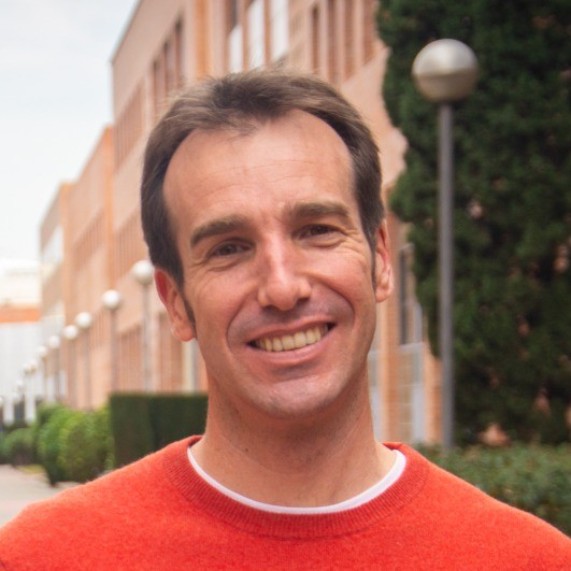 |
Associate Professor at the Department of Civil and Environmental Engineering. He received his PhD in Geology in 2010 at the Autonomous University of Barcelona with training periods at the University of Arizona (USA) and the University of Oxford (UK). His research focuses on different fields of hydrogeology, including coastal aquifers, large-scale groundwater flow systems, river-aquifer interactions, groundwater contamination at local and basin scale, and the development of different pollution remediation strategies. With more than 40 papers in peer-reviewed scientific journals, he has participated in and/or coordinated different projects related to aquifer characterisation, groundwater pollution and remediation, numerical flow modelling and water resources management. He participated in more than 15 research projects, including 7 projects of the “National plan” from the Ministry of Science and Technology (Spain) and two European projects. He has led projects in Latin America to evaluate the effect of water transfers in coastal dry areas (Perú), the effect of intensive agriculture (Guatemala), and has been Co-principal investigator of a 5-year project focused on groundwater governance in Kenya led by the University of Oxford (UK). Currently, he is leading two projects to characterise seawater intrusion and submarine groundwater discharge, applying a multidisciplinary approach with different national and international partners. He teaches in the areas of Civil Engineering, Geology, Environment and Marine sciences. In 2012, he was rewarded with the Alfons Bayó award for Young Researchers, given by the Spanish Group of the International Association of Hydrogeologists.https://orcid.org/0000-0002-8490-1038(albert.folch.s@upc.edu) |
|
Members |
||
| Audrey Sawyer | ||
 |
Audrey Sawyer is a Distinguished Investigator at the Universitat Politècnica de Catalunya in the Department of Civil and Environmental Engineering and a member of the Groundwater Hydrology Group. She is also an adjunct faculty member of The Ohio State University School of Earth Sciences. Audrey’s research focus is surface water-groundwater interaction in coastal zones, streams, and lakes. She seeks to understand how fluid flow influences water quality, its availability, and the implications for humans and ecosystems using computer models, laboratory tests, and field observations. She has co-authored over sixty scientific papers in peer-reviewed journals, including Science. She is also the recipient of the Kohout Early Career Award in Hydrogeology from the Geological Society of America, an Early Career award from the National Science Foundation, and an ATRAE award from the State Research Agency of Spain. Some of her recent projects include rising sea levels and saltwater intrusion in coastal aquifers and the fate of emerging contaminants and nutrients in rivers and groundwater. She teaches courses in hydrogeology, water issues, and introductory geology. Audrey received a B.S. in geology and environmental engineering from Rice University, a M.Sc. in geoscience from the Pennsylvania State University, and a Ph.D. in geological sciences at the University of Texas-Austin. She conducted postdoctoral research at the University of Delaware. She now serves as Editor at Water Resources Research.
https://orcid.org/0000-0001-8174-0542. (sawyer.143@osu.edu) |
|
| Fabrizio Antonio Piscedda | ||
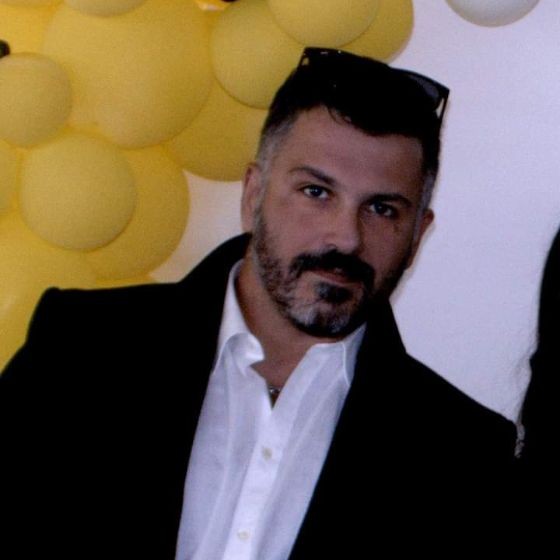 |
In 2021, Fabrizio Antonio Piscedda earned a Master’s degree with a thesis entitled “Combined Application of the Water Table Fluctuation Method and Geochemical and Isotopic Investigations to Evaluate Recharge Sources and Their Effect on Seawater Intrusion in the Coastal Aquifer of Muravera (Southeastern Sardinia).” In 2022, he began a research fellowship at the Faculty of Geological Sciences and Technologies in Cagliari, focusing on geochemical, isotopic and hydrogeological investigations of groundwater bodies. In March 2023, he started a PhD in Earth and Environmental Sciences and Technologies, which he completed on 24 July 2026. His doctoral research focused on hydrogeological monitoring, groundwater–surface water interactions, seawater intrusion and early warning criteria for the sustainable management of coastal aquifers.
(fabrizioa.piscedda@unica.it) |
|
| Daniel Gonzalez-Duque | ||
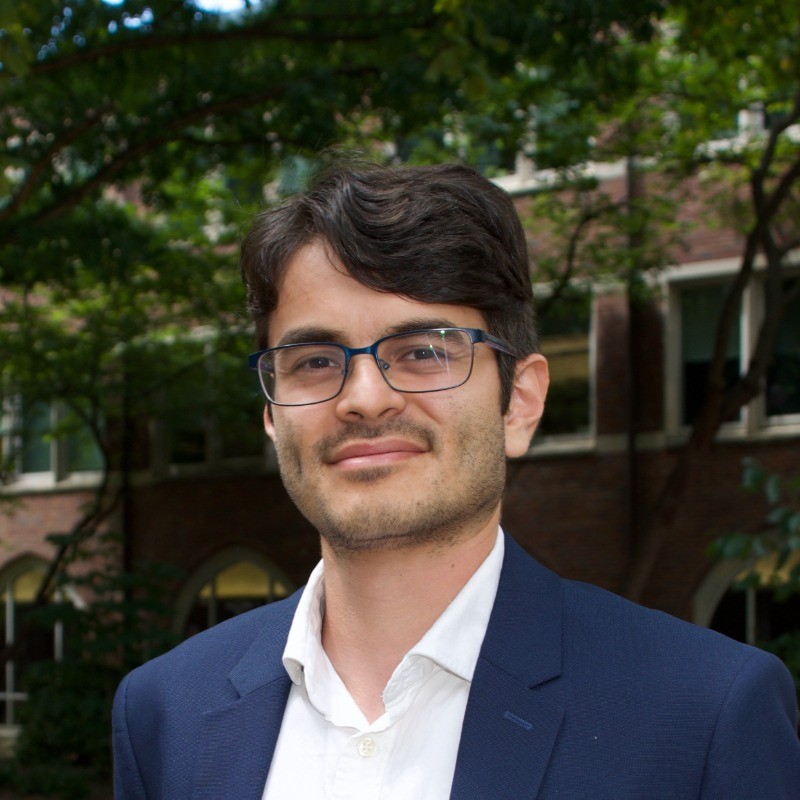 |
Research Scientist at The Ohio State University. His research is centered on investigating the movement of water through Earth’s systems and its impact on transport and biogeochemical reactions of chemical constituents that influence ecosystems and communities. To achieve this, he utilizes numerical models, data consolidation and analysis, and statistical methods within high-performance computing environments to assess hydrologic ecosystems. My key research interests encompass surface water-groundwater interactions, groundwater hydrology, physical hydrology, geophysics, climatology, and meteorology.
https://orcid.org/0000-0001-8328-283X (gonzalezduque.1@osu.edu) |
|
| Barret Kurylyk | ||
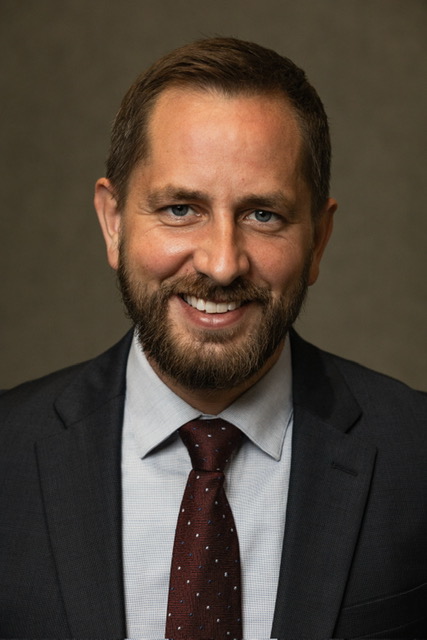 |
Dr. Barret Kurylyk is an Associate Professor in the Department of Civil and Resource Engineering at Dalhousie University (Halifax, Canada) and holds the Canada Research Chair in Coastal Water Resources. Barret’s research interests are in physical hydrogeology, physical hydrology, coastal dynamics, climate change, and Arctic science. Barret has received several early-career research awards including ones from the American Geophysical Union, Geological Society of America, International Association of Hydrogeologists (Canada), and the Canadian Geophysical Union. In addition to his CGN role, Barret serves on Management Board of the Geological Society of America Hydrogeology Division and has been Associate Editor for several journals (Hydrogeology Journal, Geophysical Research Letters, Water Resources Research). He has published over 130 journal articles.
(barret.kurylyk@dal.ca) |
|
| Chong Sheng | ||
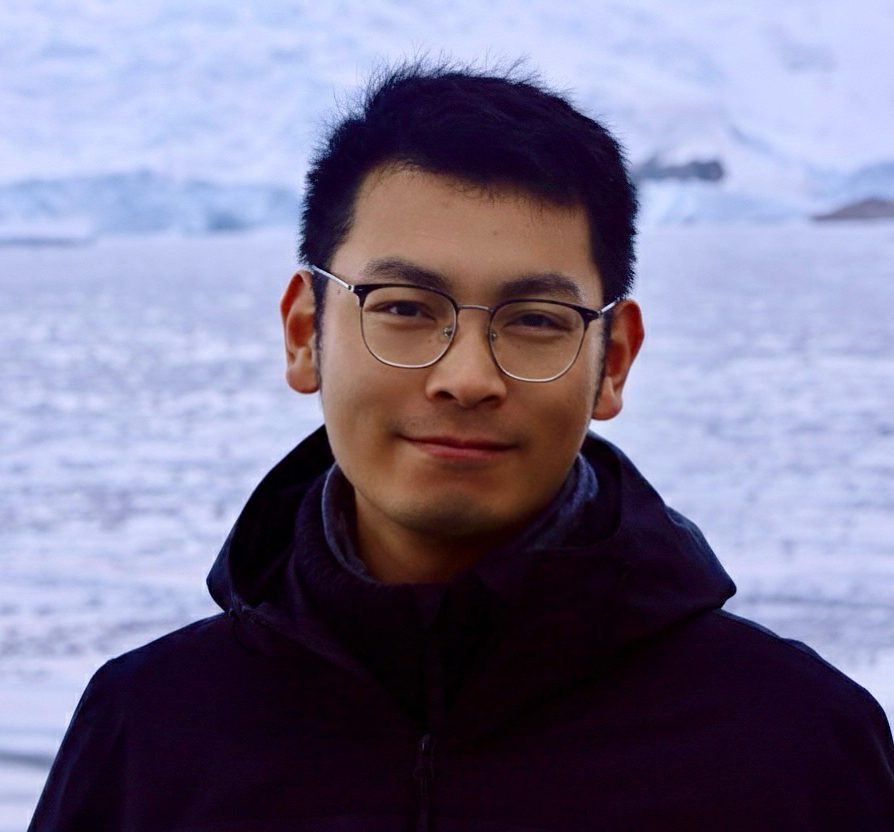 |
Chong Sheng is a hydrogeologist at the College of Hydrology and Water Resources, Hohai University, China. He obtained his PhD in hydrogeology from the University of Hong Kong and subsequently worked as a postdoctoral researcher at the GEOMAR Helmholtz Centre for Ocean Research in Germany. His research focuses on physical and chemical hydrogeology in coastal, deltaic, and marine aquifer systems, integrating field observations, hydrogeochemical analyses, and numerical modeling. Chong has led and participated in several onshore and offshore hydrogeological expeditions across diverse environments, including the Xisha Islands, the Pearl River Delta, the South China Sea continental margins, the Baltic Sea, and the Antarctic Peninsula shelf. His work aims to advance understanding of groundwater–seawater interactions across multiple spatial scales, with particular emphasis on saltwater intrusion, submarine groundwater discharge, and offshore fresh groundwater systems beneath continental shelves. He has published 10+ scientific papers in peer-reviewed journals, including Science Advances and Nature Communications. He is also the recipient of the Ringo Yu Prize from the Hong Kong Institution of Engineers, recognizing outstanding academic achievement in regional hydrogeological studies.
https://orcid.org/0000-0002-3431-8311 (chongsh@connect.hku.hk) |
|
| Julia Cantelon | ||
| Julia Cantelon is an NSERC Postdoctoral Fellow at the Water Resources Research Center at the University of Hawai‘i at Mānoa. She completed her PhD in coastal hydrogeology from Dalhousie University, Canada. Her research investigates how climate change is reshaping groundwater resources in coastal and island environments. She combines field-based observations with advanced three-dimensional groundwater modeling to understand and predict the coupled effects of sea-level rise, coastal flooding, and erosion on freshwater availability. Julia has led research on remote island settings in Canada and the Pacific and has worked with government agencies to support water resource management and climate adaptation planning. She has published 10+ scientific papers in peer-reviewed journals.
(cantelon@hawaii.edu) |
||

